
Introduction
Embarking on the journey of coloring your hair can be both exciting and overwhelming. This in-depth guide is designed to assist you in achieving ideal at-home hair color, whether you’re enhancing your current shade or exploring a bold new look. With this comprehensive manual, you’ll be equipped to create salon-quality results in the comfort of your own space.
Understanding Hair Color
The color of your hair primarily comes from the pigmentation within hair follicles, with a spectrum that spans from deep black to light blonde shades. The natural hue of your hair is determined by levels and types of two pigments: eumelanin and pheomelanin. Each hair strand’s unique combination of these pigments dictates your natural shade. Additionally, the world of hair dye offers a chance to experiment with various artificial colors, providing a wealth of options for personal expression.
How to Choose Hair Dye?
Selecting the appropriate hair dye is crucial in the dyeing process. The market is packed with a wide range of products from drug stores, pharmacies, and supermarkets, offering diverse hair colors. This extensive selection can be somewhat overwhelming, but focusing on your desired color, longevity, and hair health can help simplify your choice. For those looking for budget-friendly convenience and minor changes, drugstore options work well. However, if you desire a more vibrant result and better gray coverage, opting for professional hair color options can be beneficial. High-quality professional dyes often contain superior ingredients, reducing the risk of hair damage. A variety of these products can be found at Cosmetic World, which provides convenient online purchasing and free shipping within the US and Canada.
Choosing the Right Shade

Before you start your hair dyeing adventure, selecting the appropriate shade is vital. For beginners, it’s wise to choose a color that is no more than two shades lighter or darker than your natural hair. Subtle adjustments can help you avoid drastic miscalculations. While professionals may confidently experiment with vibrant colors, it’s advisable to take a more cautious approach when attempting it yourself at home.
Prepping for the Dye Job

1. Strand and Patch Test
Before commencing the dyeing process, it’s essential to conduct both a strand test and a patch test. Apply a small amount of dye to a tiny section of hair and a small area of skin to check for any reactions and to confirm that the resulting color meets your expectations.
2. Protect Your Skin
To avoid any staining, smear a bit of petroleum jelly along your hairline, ears, and neck. Alternatively, lip balm can serve the same purpose. This precaution will help keep the dye away from your skin, minimizing mess during the application.
3. Gather All Your Tools
Ensure all necessary items are within reach before you begin, including your hair dye, additional boxes if you have long hair, an applicator brush, gloves, a wide-tooth comb for even distribution, a shower cap for processing, and a conditioner for aftercare.
The Dyeing Process

1. Applying the Dye
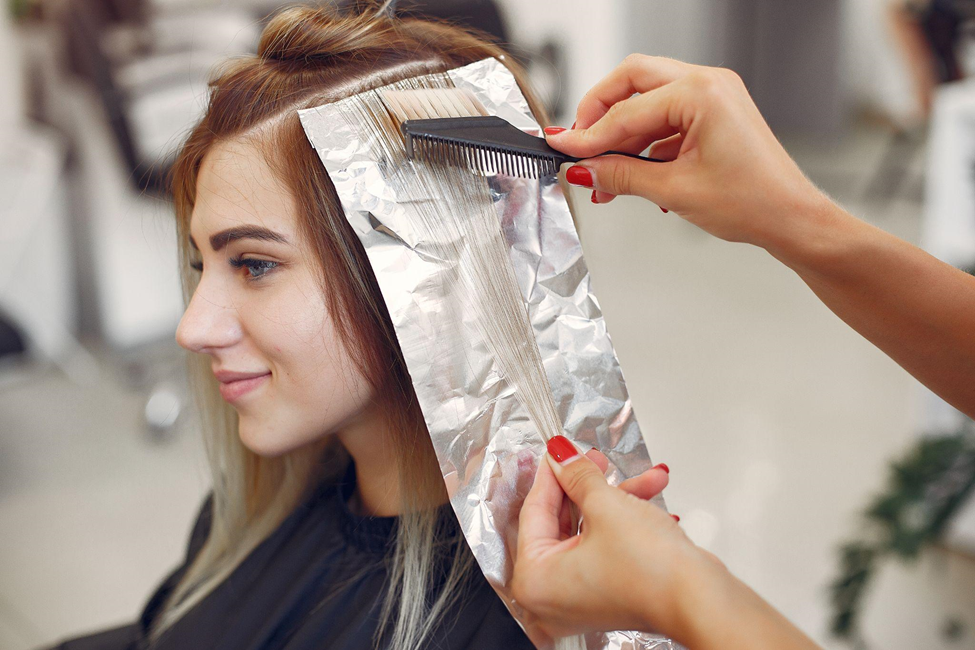
Begin by partitioning your hair into four sections: down the center and then from ear to ear across the crown. This organization eases application and ensures thorough coverage.
Prioritize applying dye to your roots first, particularly for darker shades, as the warmth from your scalp will assist in processing. Conversely, when lightening, start with the lengths and ends. Use either a brush or your gloved fingers to apply the color systematically, guaranteeing complete coverage.
For those with virgin hair, start at the roots and work your way downwards, ensuring saturation throughout. If your hair is already color-treated, focus on the new growth at the roots while refreshing the remaining color based on the product instructions.
2. Ensuring Full Coverage
To confirm even dye distribution, run a wide-tooth comb through your hair post-application. This technique also aids in softening the lines between your natural and dyed colors, providing a more seamless appearance.
After applying dye to your entire head, cover your hair with a shower cap to retain moisture and assist with the dye’s penetration.
3. Timing
Carefully adhere to the timing guidelines provided on the dye box. Overexposure can damage your hair and yield an undesired intensity, while under-processing may result in uneven coloring.
After Care and Maintenance

1. Rinse and Condition
Once the processing period is completed, thoroughly rinse your hair until the water runs clear. Rather than shampooing immediately, use a conditioner to seal the cuticle and preserve the vibrancy of your new color. This step also replenishes moisture to your hair after dyeing.
2. Opt for Color Safe Products
Utilize shampoos and conditioners specifically crafted for color-treated hair to help maintain the richness of your new hue while keeping your locks healthy.
3. Regular Touch-ups
As hair grows, the roots will display your natural color. To achieve a consistent look, plan to touch up roots every four to six weeks.
4. Protect Your Hair
Heat styling tools, harsh environmental elements, and exposure to water can diminish your color’s brightness. Shield your hair with heat-protecting sprays, UV filters, and minimize exposure to such detrimental factors.
In summary, dyeing your hair at home can be a straightforward endeavor. With the right tools, guidance, and a bit of patience, you can attain professional-grade results right in your own bathroom. Though it might take some practice to master, learning to color your hair can be an enjoyable and empowering pursuit. And remember, should you face challenges, your hair stylist is always available to help you correct any missteps. Happy coloring!