
Sabrina Carpenter is embracing a bold new chapter in her career, transitioning from her Disney roots to become a provocative figure in pop music, marked by daring visuals, eclectic style influences, and a sound that’s both sensual and cutting-edge.
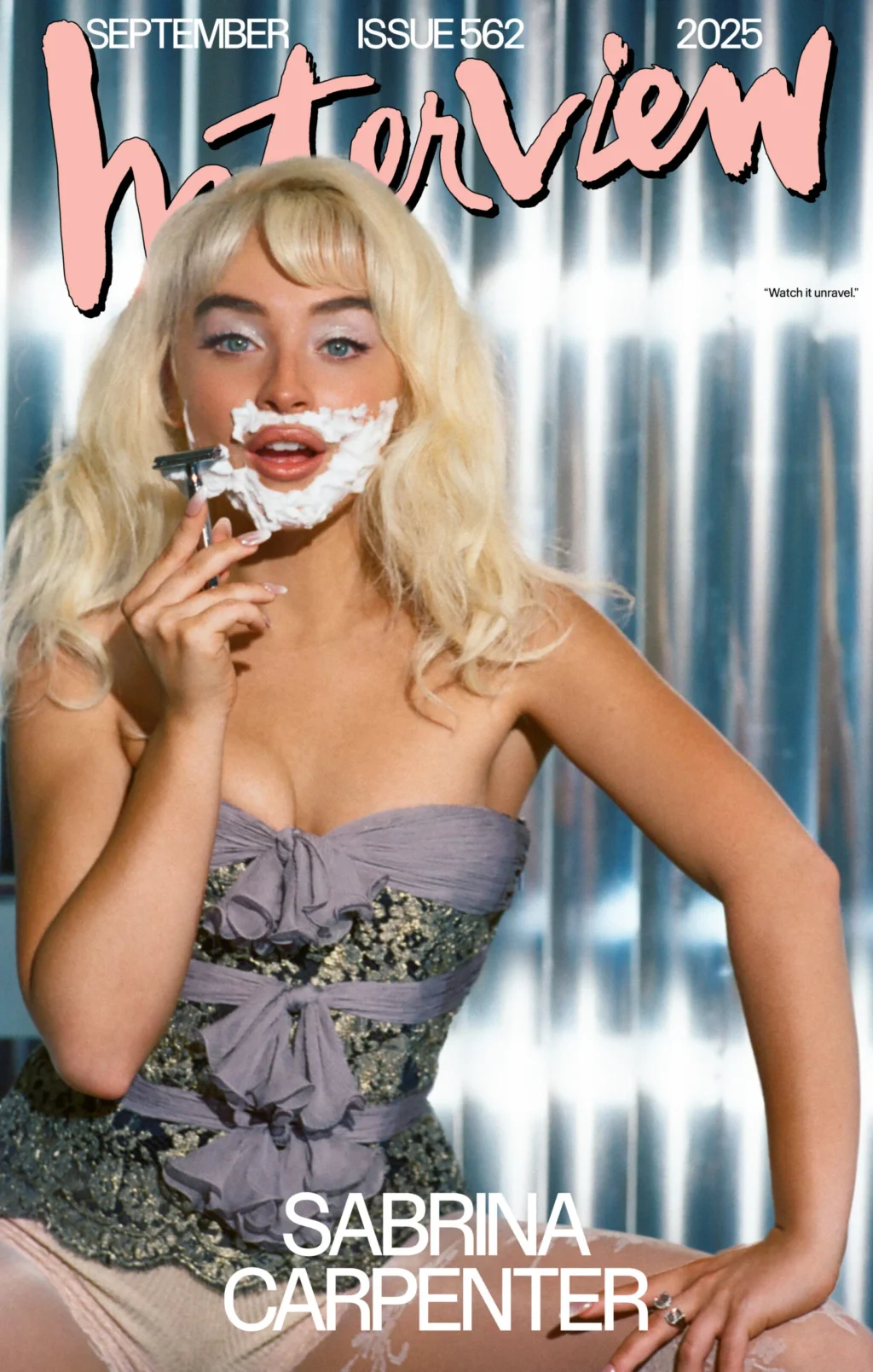
In a captivating photo shoot for Interview Magazine, Carpenter donned little more than black lingerie with a single feather across her chest—a clear homage to the iconic Madonna’s *Erotica*—exhibiting a minimalism that solidifies her place among the current vanguard of fearless pop artists. The visuals reflect her current mindset: playful, irreverent, and commanding her own narrative.
Her upcoming seventh studio album, *Man’s Best Friend*, fuses sexual themes with personal introspection. The track “Tears” highlights her embrace of audacious aesthetics; in the accompanying music video, she evokes Naomi Campbell’s classic Victoria’s Secret runway look while delivering a sultry pole dance reminiscent of *Rocky Horror*. With millions of views and extensive social media buzz, Carpenter has established herself as not just a pop singer, but a cultural influencer sparking dialogue.
Beyond the striking visuals, Carpenter emphasizes the thoughtfulness behind her artistic decisions. In her words to Interview, she humorously addressed detractors labeling her “too sexual,” asserting that pop music has historically embraced elements of rebellion and sensuality, and she is simply redefining those boundaries on her own terms.
From embracing nearly nude aesthetics to adopting disco-inspired lingerie styles, Sabrina Carpenter is redefining the essence of what it means to be a pop star in today’s mainstream landscape. Her approach transcends mere shock value; it’s an artistic statement that harmonizes fashion, performance, and empowerment.
This evolution in her style also mirrors her growing influence as a modern fashion icon. In recent months, she has featured as the face of bold lingerie campaigns, donned iconic runway pieces, and transformed her performances into artistic showcases. Ultimately, Carpenter’s era is characterized by a single word: ownership—of her identity, her sexuality, and the spotlight she occupies.