
Micro bangs have emerged as a prominent style trend across the United States, attracting significant attention. This striking hairstyle features delicate fringes that rest above the eyebrows, creating a bold and expressive look that can turn heads. Individuals are drawn to micro bangs for their ability to convey confidence and individuality without necessitating an extensive haircut change. While they may appear straightforward, micro bangs require particular styling techniques, considerations for face shape, and dedicated care. This comprehensive guide aims to simplify the process of understanding micro bangs, helping readers determine if this daring trend aligns with their personal style. The objective is to make the concept of short fringes approachable and less daunting for those interested in this up-and-coming hairstyle.

Understanding Micro Bangs and Their Rising Popularity
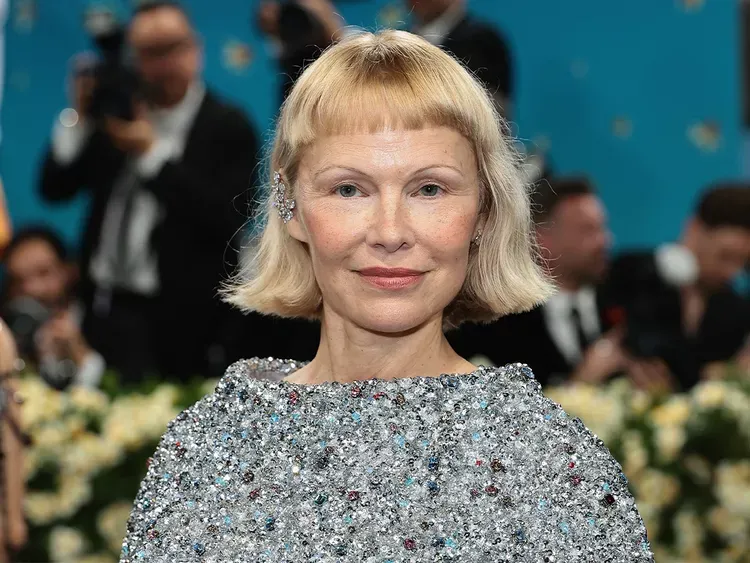
Micro bangs are defined as a fringe style that sits well above the eyebrows, often revealing more of the forehead than standard bangs. This cut complements hair of varying lengths, from short to long, and can be styled blunt, soft, or textured. The appeal of micro bangs lies in their striking appearance, which exudes confidence. The trend has gained momentum thanks to social media, fashion shows, and celebrity endorsements, leading to an uptick in interest across the nation. The contemporary and expressive nature of micro bangs allows for easy styling, making them accessible even to those with little experience. This hairstyle remains favored because it merges creativity with simplicity, offering a fresh focal point for any cut.

Who Looks Best in Micro Bangs and How to Determine if They Suit You
Micro bangs are versatile and can be flattering on many different faces. They particularly enhance the features of individuals with oval, heart-shaped, or square faces, drawing attention to the eyes and cheekbones. Those with round faces can adopt this style, though softer edges or textured variations might work better. When considering micro bangs, it’s important to think about how much forehead you want to reveal and how comfortable you are with a bold look framing your face. Additionally, hair texture plays a role; straight or lightly wavy hair tends to suit micro bangs well, while very curly hair may require more shaping. Ultimately, personal comfort and style preference matter significantly, alongside general face shape guidelines.

How to Prepare for Your Micro Bangs Cut
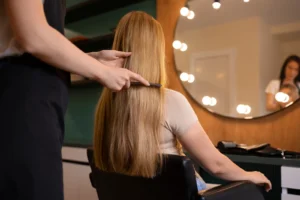
Getting ready for micro bangs requires some thoughtful planning. It’s advisable to bring various reference images to your hairstylist, showcasing the desired length and style you wish to achieve, as minor adjustments can significantly impact the overall look with such a short fringe. Open communication about your daily lifestyle, styling habits, and your willingness to maintain regular trims is essential. Since micro bangs tend to grow quickly and can alter shape within two to three weeks, routine upkeep will be necessary. It’s also worth considering skincare for your forehead, as the hairstyle leaves it exposed. Therefore, some may choose to adjust their skincare routine to keep the forehead looking smooth. Preparing thoroughly ensures that the haircut is a well-considered choice rather than a spontaneous decision.

Various Styles of Micro Bangs and Their Impact on Your Overall Appearance
Micro bangs come in a variety of forms that may surprise many. Blunt micro bangs create a striking and sharp appearance, while textured versions offer a more relaxed feel, making them ideal for those with softer facial features or natural waves. Curved micro bangs complement the forehead’s shape, resulting in a balanced and gentle vibe. Baby micro bangs, which sit significantly above the brows, present a dramatic style that highlights the eyes beautifully. Each variation alters the overall energy of a haircut. The choice of style can depend on the mood you wish to convey, where lighter styles evoke playfulness, and blunt cuts project strength and directness. With diverse options available, every individual can find a micro bang style that resonates with their personality and confidence level.

Home Styling Tips for Micro Bangs
Styling micro bangs can be straightforward once you grasp a few essential techniques. Using a small round brush can help create shape without adding volume. It’s advisable to dry micro bangs right after washing to avoid unwanted bends. Light creams or balms may provide necessary hold, but avoid heavy products that could weigh the fringe down. Cautious use of straighteners is recommended, as you risk flattening the bangs too much with excessive heat. On hectic days, a quick spritz of water and a gentle blow-dry can effectively refresh the style in no time. These manageable tips make micro bangs an easy fringe option to style at home, even for those who are just starting.

Maintenance Routine for Micro Bangs: Trim Frequency
Maintaining micro bangs involves regular trims, as even a small amount of growth can alter their shape. Typically, most individuals will visit the salon every two to three weeks to keep bangs at the ideal length above the brows. While some prefer to learn how to trim at home gently, beginners should proceed with caution to avoid cutting them too short. Frequent forehead cleansing helps mitigate oil that can affect the fringe’s appearance. Additionally, because micro bangs are kept away from the face, they generally avoid the smudging issues that longer bangs may encounter. A streamlined maintenance routine keeps the style looking fresh and clean, taking just a few minutes if done consistently.
Micro Bangs vs. Traditional Bangs: A Comparison
| Attribute | Micro Bangs | Traditional Bangs |
|---|---|---|
| Length | Above the brows | At or below the brows |
| Styling Time | Minimal | Moderate |
| Boldness | High | Moderate |
| Forehead Coverage | Minimal | Complete |
| Trimming Frequency | Frequent | Moderate |
Distinctive Characteristics of Micro Bangs
Micro bangs have unique traits that distinguish them from other fringe styles. They accentuate the eyes, frame the face with flair, and create a modern aesthetic that pairs well with varying hair lengths. Their shorter nature helps prevent heat accumulation on the forehead, appealing to those who favor lighter styles. Micro bangs integrate seamlessly into layered cuts, bob styles, or longer hair, adding versatility and adaptability to your look. Many people opt for micro bangs because they allow for personal expression without demanding a lot of daily upkeep. This fringe style possesses a strong identity yet remains suitable for both professional and casual environments.
Essential Points to Remember
-
Micro bangs provide a daring, contemporary appearance.
-
They flatter various face shapes when matched appropriately.
-
Maintenance is straightforward but requires frequency.
-
Numerous variations exist to modify the strength of the style.
-
Basic styling involves only a few minutes of effort.
Final Thoughts
Micro bangs are rapidly gaining traction as they present a bold and creative option for updating one’s hairstyle. They provide a striking look without feeling burdensome, work well across various hair textures, and inspire individuals to explore new personal styles. Those considering micro bangs should evaluate their lifestyle, trimming preferences, and comfort with a more daring haircut. When combined with the right cutting technique and a consistent styling routine, micro bangs can evolve into a signature style that remains timeless and expressive.
Frequently Asked Questions
Are micro bangs difficult to style?
Not at all. They typically require just a few minutes and minimal products.
How quickly do micro bangs grow out?
They usually require trimming every two to three weeks.
Can individuals with curly hair wear micro bangs?
Yes, but some shaping and soft texturing may be necessary for a natural appearance.
Are micro bangs suitable for long hair?
They work wonderfully with long, medium, and short hairstyles alike.